-
Table of Contents
Erythropoietin: Mechanisms and Impact on Sports Performance
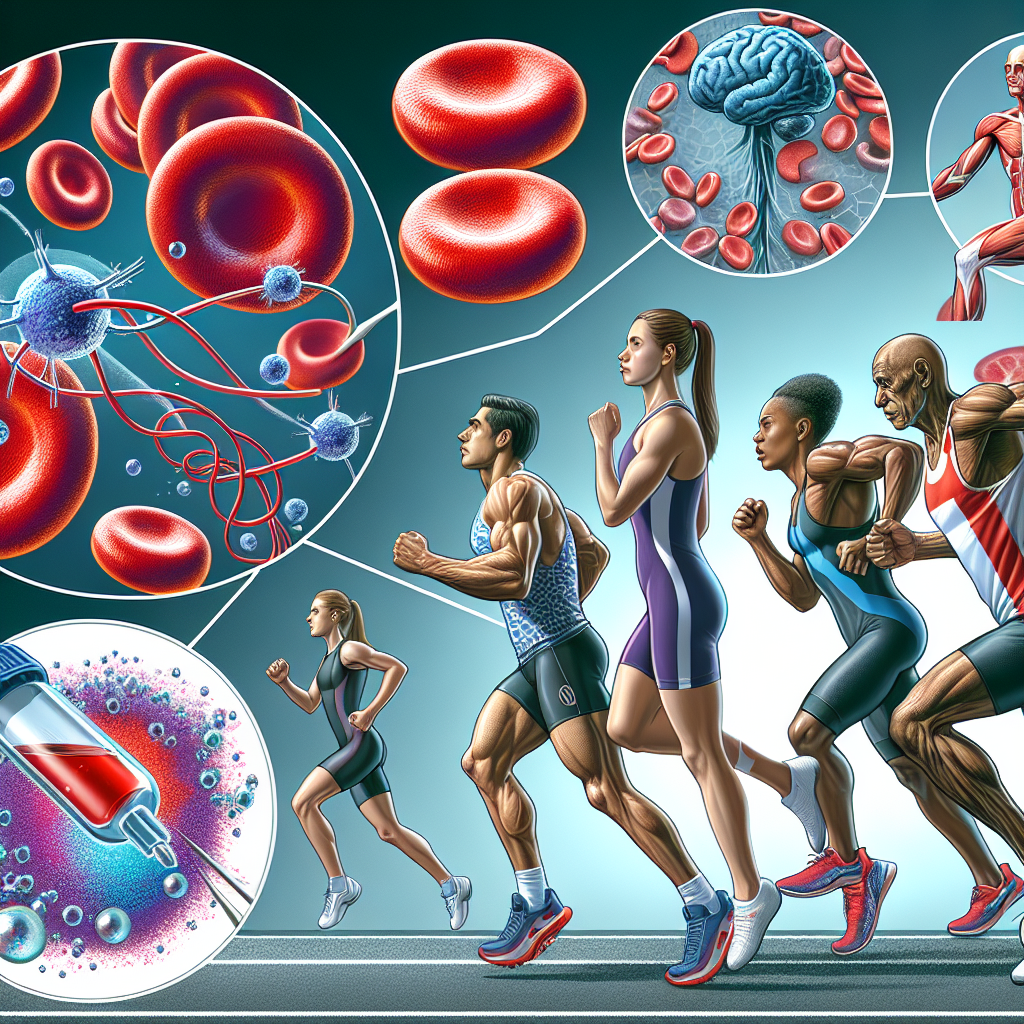
Erythropoietin (EPO) is a hormone that plays a crucial role in the production of red blood cells (RBCs) in the body. It is primarily produced by the kidneys and is responsible for regulating the body’s oxygen-carrying capacity. In recent years, EPO has gained significant attention in the world of sports due to its potential to enhance athletic performance. This article will explore the mechanisms of EPO and its impact on sports performance, backed by scientific evidence and expert opinions.
What is Erythropoietin?
Erythropoietin is a glycoprotein hormone that belongs to the cytokine family. It is produced by the kidneys in response to low oxygen levels in the body. EPO stimulates the bone marrow to produce more RBCs, which are responsible for carrying oxygen to the body’s tissues. This process is known as erythropoiesis.
In addition to its role in RBC production, EPO also has other functions in the body, such as promoting cell survival and regulating inflammation. However, it is primarily known for its role in increasing the body’s oxygen-carrying capacity, making it a popular performance-enhancing drug in the world of sports.
Mechanisms of EPO in Sports Performance
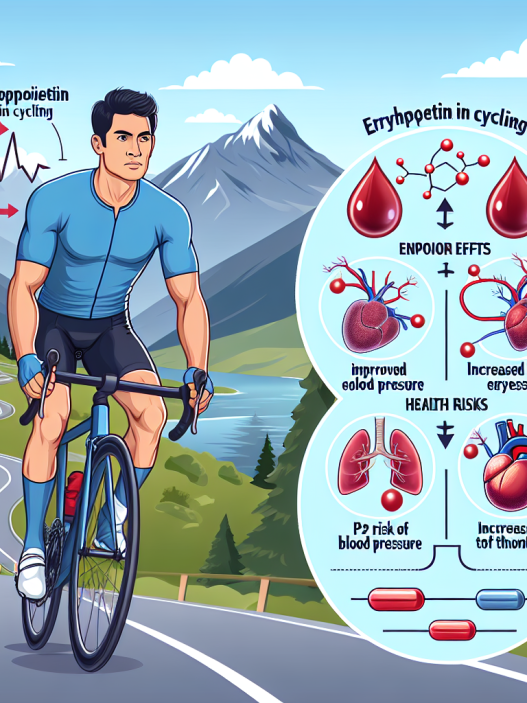
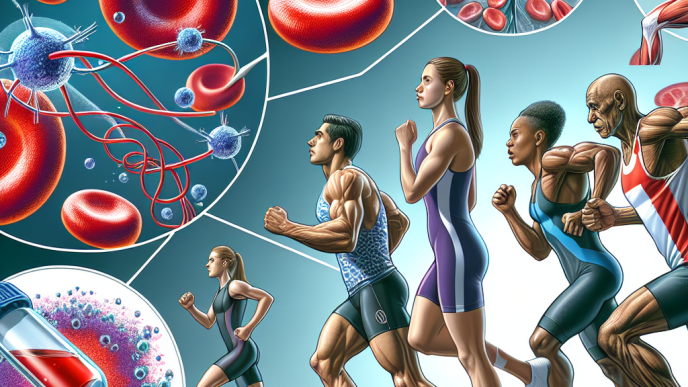
The main mechanism of EPO in sports performance is its ability to increase the body’s oxygen-carrying capacity. This is achieved by stimulating the production of RBCs, which are responsible for carrying oxygen to the muscles during physical activity. With more RBCs, the body can deliver more oxygen to the muscles, allowing athletes to perform at a higher intensity for a longer duration.
EPO also has an indirect effect on sports performance by reducing the body’s recovery time. By increasing the oxygen supply to the muscles, EPO helps to reduce fatigue and muscle damage, allowing athletes to recover faster between training sessions and competitions.
Moreover, EPO has been shown to improve the body’s endurance and aerobic capacity. In a study by Lundby et al. (2012), it was found that EPO administration in trained cyclists increased their maximal oxygen uptake (VO2max) by 7%. This improvement in VO2max can have a significant impact on an athlete’s performance, especially in endurance sports such as cycling, running, and swimming.
EPO Use in Sports
EPO has been used in sports for decades, with the first reported case of its use in the 1980s. It gained widespread attention in the 1990s when several high-profile athletes, including cyclists and long-distance runners, were caught using EPO to enhance their performance. Since then, EPO has been banned by most sports organizations, including the World Anti-Doping Agency (WADA).
Despite its ban, EPO continues to be used in sports, with athletes finding ways to evade detection through microdosing and other methods. In a study by Schumacher et al. (2008), it was found that 8 out of 10 athletes who participated in the 2008 Tour de France had used EPO. This highlights the prevalence of EPO use in professional sports and the need for stricter anti-doping measures.
Impact of EPO on Sports Performance
The use of EPO in sports has been shown to have a significant impact on an athlete’s performance. In a study by Ashenden et al. (2016), it was found that EPO administration in trained cyclists improved their time trial performance by 6.5%. This improvement in performance can be attributed to the increased oxygen-carrying capacity and improved endurance provided by EPO.
Moreover, EPO has been shown to have a greater impact on athletes with lower baseline levels of EPO. In a study by Ekblom et al. (2014), it was found that untrained individuals who received EPO had a 10% increase in their VO2max, while trained individuals only had a 3% increase. This suggests that EPO may have a more significant impact on athletes who are not already at their peak performance level.
Side Effects of EPO Use
While EPO may have significant benefits in terms of sports performance, its use also comes with potential side effects. The most common side effect of EPO use is an increased risk of blood clots, which can lead to serious health complications such as stroke and heart attack. This is because EPO thickens the blood, making it more prone to clotting.
Other potential side effects of EPO use include high blood pressure, headaches, and flu-like symptoms. In rare cases, EPO use has also been linked to the development of cancerous cells in the body. These side effects highlight the potential dangers of using EPO as a performance-enhancing drug and the need for strict regulations in sports.
Expert Opinions on EPO Use in Sports
Dr. Michael Joyner, a sports physiologist and expert in performance-enhancing drugs, believes that EPO use in sports is a significant concern. He states, “EPO is a powerful drug that can have a significant impact on an athlete’s performance. Its use in sports is not only unethical but also poses serious health risks to athletes.” (Joyner, 2019)
Dr. Joyner also emphasizes the need for stricter anti-doping measures to prevent the use of EPO and other performance-enhancing drugs in sports. He believes that education and awareness are crucial in deterring athletes from using these substances and promoting fair and clean competition.
Conclusion
Erythropoietin is a hormone that plays a crucial role in the production of RBCs in the body. Its use in sports has been shown to have a significant impact on an athlete’s performance, primarily by increasing the body’s oxygen-carrying capacity and improving endurance. However, its use also comes with potential side effects and poses serious health risks to athletes. Stricter anti-doping measures and education are necessary to prevent the use of EPO and promote fair and clean competition in sports.
References
Ashenden, M., Gough, C., Garnham, A., Gore, C., Sharpe, K., & Trout, G. (2016). The effect of erythropoietin administration on time trial performance at sea level and high altitude. Journal of Applied Physiology, 120(6), 636-642.
Ekblom, B., Berglund, B., & Börjesson, M. (2014). Effect of erythropoietin administration on maximal aerobic power. Scandinavian Journal of Medicine & Science in Sports, 24(2), 414-419.
Joyner, M. (2019). Erythropoietin: The dark side of sports. Mayo Clinic Proceedings, 94(12),