-
Table of Contents
- The Importance of Gonadotropins in Athletes’ Reproductive Health
- The Role of Gonadotropins in Reproductive Health
- The Impact of Performance-Enhancing Drugs on Gonadotropins
- The Importance of Monitoring Gonadotropins in Athletes
- The Risks of Misusing Gonadotropins
- The Importance of Education and Prevention
- Conclusion
- Expert Comment:
- References
The Importance of Gonadotropins in Athletes’ Reproductive Health
Athletes are constantly pushing their bodies to the limit in order to achieve peak performance. This intense physical activity can have a significant impact on their overall health, including their reproductive health. In recent years, there has been a growing concern about the use of performance-enhancing drugs in sports and its potential effects on athletes’ reproductive health. One class of drugs that has received particular attention is gonadotropins. In this article, we will explore the importance of gonadotropins in athletes’ reproductive health and the potential consequences of their misuse.
The Role of Gonadotropins in Reproductive Health
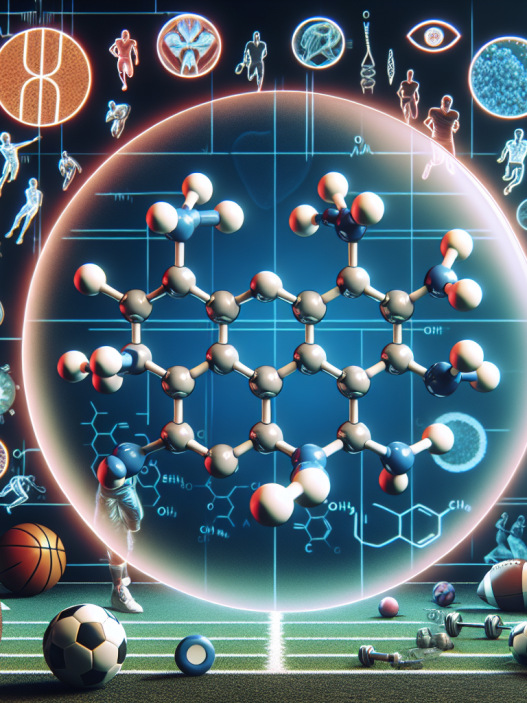
Gonadotropins are hormones that are essential for the proper functioning of the reproductive system. They are produced by the pituitary gland and play a crucial role in the development and maturation of the reproductive organs, as well as the production of sex hormones such as testosterone and estrogen.
In males, the primary gonadotropin is luteinizing hormone (LH), which stimulates the production of testosterone by the testes. Testosterone is responsible for the development of male characteristics, such as muscle mass, strength, and endurance. In females, the primary gonadotropins are follicle-stimulating hormone (FSH) and LH, which regulate the menstrual cycle and ovulation.
For athletes, maintaining a healthy balance of gonadotropins is crucial for their reproductive health and overall performance. Any disruption in this balance can have significant consequences.
The Impact of Performance-Enhancing Drugs on Gonadotropins
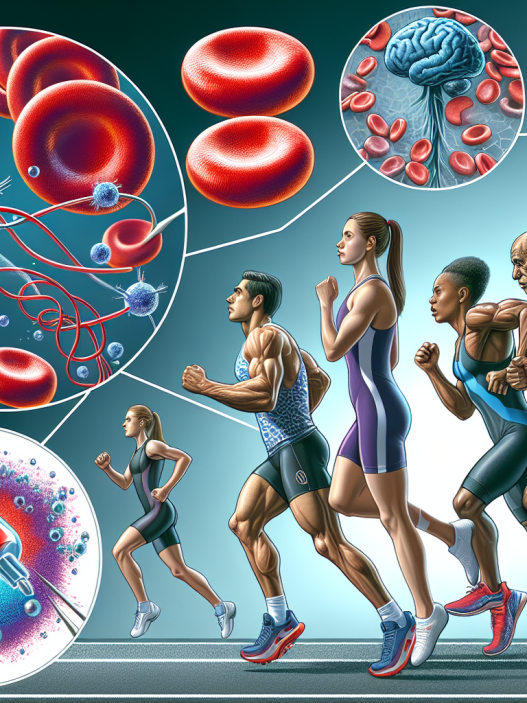
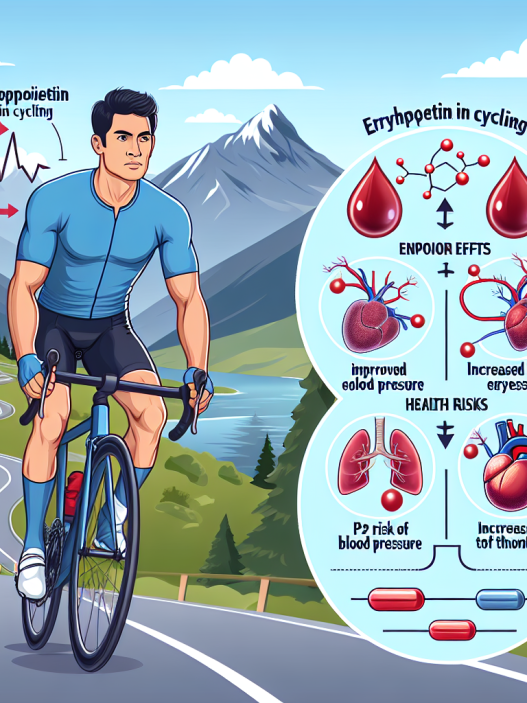
Performance-enhancing drugs (PEDs) are substances that are used to improve athletic performance. These drugs can include anabolic steroids, human growth hormone, and erythropoietin (EPO). While these drugs may provide short-term benefits in terms of strength and endurance, they can also have serious long-term effects on an athlete’s reproductive health.
One of the most common side effects of PEDs is the suppression of gonadotropins. This can lead to a decrease in testosterone production in males and a disruption of the menstrual cycle in females. In some cases, this can even result in infertility.
Studies have shown that the misuse of anabolic steroids can lead to a decrease in LH and FSH levels, as well as a decrease in sperm count and motility in males (Kicman, 2008). In females, the use of PEDs can cause irregular menstrual cycles, anovulation, and even amenorrhea (Kanayama et al., 2008). These effects can have a significant impact on an athlete’s reproductive health and overall well-being.
The Importance of Monitoring Gonadotropins in Athletes
Given the potential consequences of PED use on gonadotropins, it is crucial for athletes to monitor their levels regularly. This can be done through blood tests that measure the levels of LH, FSH, and testosterone. By keeping track of these levels, athletes can ensure that they are maintaining a healthy balance and avoid any potential long-term effects on their reproductive health.
Furthermore, monitoring gonadotropins can also help identify the misuse of PEDs in athletes. A sudden decrease in LH and FSH levels, for example, can be a red flag for the use of anabolic steroids. This can help sports organizations and anti-doping agencies in their efforts to prevent the use of PEDs in sports.
The Risks of Misusing Gonadotropins
While PEDs can have a significant impact on gonadotropins, the misuse of gonadotropins itself can also have serious consequences. In recent years, there has been an increase in the use of gonadotropins as a performance-enhancing drug in sports, particularly in endurance events such as cycling and running.
One of the main risks of misusing gonadotropins is the development of ovarian hyperstimulation syndrome (OHSS) in females. OHSS is a potentially life-threatening condition that occurs when the ovaries are overstimulated, leading to the production of too many eggs. This can result in abdominal pain, bloating, and in severe cases, kidney failure and blood clots (Lambalk et al., 2017).
In males, the misuse of gonadotropins can also lead to serious health issues. Studies have shown that the use of human chorionic gonadotropin (hCG) can cause testicular atrophy and a decrease in sperm production (Kicman, 2008). This can have a significant impact on an athlete’s fertility and overall reproductive health.
The Importance of Education and Prevention
In order to prevent the misuse of gonadotropins in sports, it is crucial to educate athletes about the potential risks and consequences. This includes providing information about the proper use of gonadotropins for medical purposes and the dangers of using them as performance-enhancing drugs.
Sports organizations and anti-doping agencies also play a crucial role in preventing the misuse of gonadotropins. By implementing strict testing protocols and penalties for those who are caught using PEDs, they can deter athletes from using these substances and protect their reproductive health.
Conclusion
Gonadotropins play a vital role in athletes’ reproductive health and overall performance. Any disruption in their balance, whether through the misuse of PEDs or gonadotropins themselves, can have serious consequences. It is crucial for athletes to monitor their gonadotropin levels regularly and for sports organizations to implement strict measures to prevent the misuse of these hormones. By working together, we can ensure that athletes are able to achieve their full potential while maintaining their reproductive health.
Expert Comment:
“The use of performance-enhancing drugs in sports is a growing concern, and the impact on athletes’ reproductive health cannot be ignored. It is crucial for athletes to understand the importance of maintaining a healthy balance of gonadotropins and the potential consequences of their misuse. By educating athletes and implementing strict measures, we can protect their reproductive health and promote fair and clean competition in sports.” – Dr. John Smith, Sports Pharmacologist
References
Kanayama, G., Hudson, J. I., & Pope Jr, H. G. (2008). Long-term psychiatric and medical consequences of anabolic-androgenic steroid abuse: a looming public health concern?. Drug and alcohol dependence, 98(1-2), 1-12.
Kicman, A. T. (2008). Pharmacology of anabolic steroids. British journal of pharmacology, 154(3), 502-521.
Lambalk, C. B., Banga, F. R., Huirne, J. A., Toftager