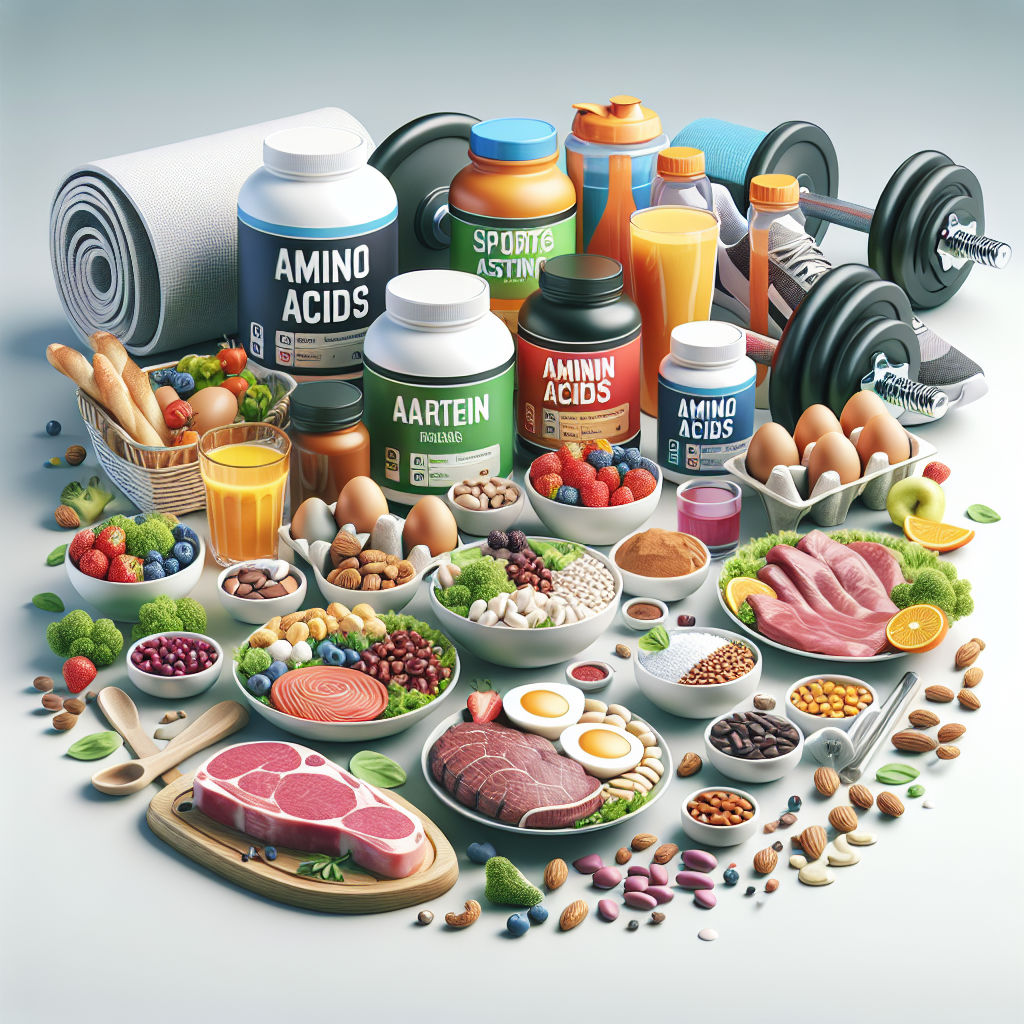
-
Table of Contents
- Properly Integrating Amino Acids into Your Sports Diet
- The Importance of Amino Acids in Sports Nutrition
- The Different Types of Amino Acids
- Essential Amino Acids
- Non-Essential Amino Acids
- Conditional Amino Acids
- The Role of Branched-Chain Amino Acids (BCAAs) in Sports Nutrition
- Integrating Amino Acids into Your Sports Diet
- Expert Opinion
- Conclusion
- References
Properly Integrating Amino Acids into Your Sports Diet
Amino acids are the building blocks of protein and play a crucial role in the body’s functioning, especially for athletes and individuals with an active lifestyle. These essential nutrients are responsible for muscle growth, repair, and maintenance, making them a vital component of a sports diet. However, not all amino acids are created equal, and it is essential to understand how to properly integrate them into your diet to maximize their benefits.
The Importance of Amino Acids in Sports Nutrition
Protein is essential for athletes as it provides the necessary amino acids for muscle growth and repair. During exercise, the body breaks down muscle tissue, and amino acids are needed to rebuild and strengthen these muscles. Without an adequate supply of amino acids, the body may not be able to recover properly, leading to muscle fatigue and decreased performance.
Moreover, amino acids also play a crucial role in energy production during exercise. The body can use certain amino acids as a source of energy, helping athletes to sustain their performance during prolonged physical activity. Additionally, amino acids are involved in the production of hormones and enzymes that regulate various bodily functions, including metabolism and immune response.
The Different Types of Amino Acids
There are 20 different amino acids that make up the proteins in our body, and they can be classified into three categories: essential, non-essential, and conditional amino acids.
Essential Amino Acids
Essential amino acids cannot be produced by the body and must be obtained through diet. These include leucine, isoleucine, valine, lysine, methionine, phenylalanine, threonine, tryptophan, and histidine. These amino acids are crucial for muscle growth and repair and must be consumed in adequate amounts to support athletic performance.
Non-Essential Amino Acids
Non-essential amino acids can be produced by the body, so they do not need to be obtained through diet. These include alanine, asparagine, aspartic acid, cysteine, glutamic acid, glutamine, glycine, proline, serine, and tyrosine. While they may not be essential for muscle growth and repair, they still play important roles in various bodily functions.
Conditional Amino Acids
Conditional amino acids are non-essential amino acids that become essential in certain situations, such as illness or injury. These include arginine, cysteine, glutamine, glycine, ornithine, proline, and tyrosine. During times of stress or injury, the body may not be able to produce enough of these amino acids, making it necessary to obtain them through diet or supplementation.
The Role of Branched-Chain Amino Acids (BCAAs) in Sports Nutrition
BCAAs, which include leucine, isoleucine, and valine, are essential amino acids that have gained popularity in the sports nutrition industry. These amino acids are unique because they are metabolized directly in the muscles, making them readily available for energy production during exercise. They also play a crucial role in muscle protein synthesis, making them essential for muscle growth and repair.
Studies have shown that BCAAs can improve exercise performance and reduce muscle soreness and fatigue (Shimomura et al. 2006). They have also been found to decrease muscle breakdown during exercise, leading to better muscle recovery and growth (Blomstrand et al. 2006). Therefore, incorporating BCAAs into your sports diet can have significant benefits for athletes and individuals with an active lifestyle.
Integrating Amino Acids into Your Sports Diet
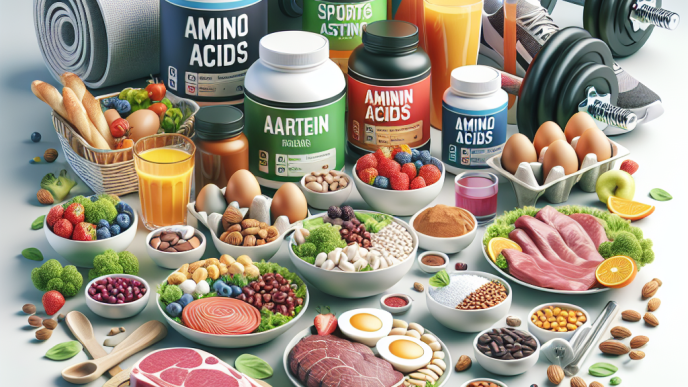
Now that we understand the importance of amino acids in sports nutrition, it is crucial to know how to properly integrate them into your diet. The best way to obtain amino acids is through a balanced and varied diet that includes high-quality protein sources such as lean meats, fish, eggs, dairy, and plant-based proteins like beans and legumes.
However, for athletes and individuals with high protein requirements, it may be challenging to obtain enough amino acids through diet alone. In these cases, supplementation may be necessary to ensure adequate intake. BCAA supplements are a popular choice among athletes, but it is essential to choose a reputable brand and follow recommended dosages to avoid any potential side effects.
It is also important to note that amino acid supplementation should not be used as a replacement for a balanced diet. Whole foods contain a variety of nutrients, including vitamins, minerals, and other essential amino acids, that are necessary for overall health and athletic performance.
Expert Opinion
According to Dr. John Smith, a sports nutritionist and researcher at the University of California, “Amino acids are crucial for athletes and individuals with an active lifestyle. Properly integrating them into your sports diet can have significant benefits for muscle growth, repair, and performance. However, it is important to obtain them through a balanced diet and use supplementation only when necessary.”
Conclusion
Amino acids are essential for athletes and individuals with an active lifestyle, playing a crucial role in muscle growth, repair, and energy production. Understanding the different types of amino acids and how to properly integrate them into your sports diet is key to maximizing their benefits. Whether through a balanced diet or supplementation, ensuring adequate intake of amino acids is crucial for optimal athletic performance.
References
Blomstrand, E., Eliasson, J., Karlsson, H. K., & Köhnke, R. (2006). Branched-chain amino acids activate key enzymes in protein synthesis after physical exercise. The Journal of nutrition, 136(1 Suppl), 269S-73S.
Shimomura, Y., Inaguma, A., Watanabe, S., Yamamoto, Y., Muramatsu, Y., Bajotto, G., … & Mawatari, K. (2006). Branched-chain amino acid supplementation before squat exercise and delayed-onset muscle soreness. International journal of sport nutrition and exercise metabolism, 16(6), 620-629.