
-
Table of Contents
Side Effects of Prohormones on the Human Body
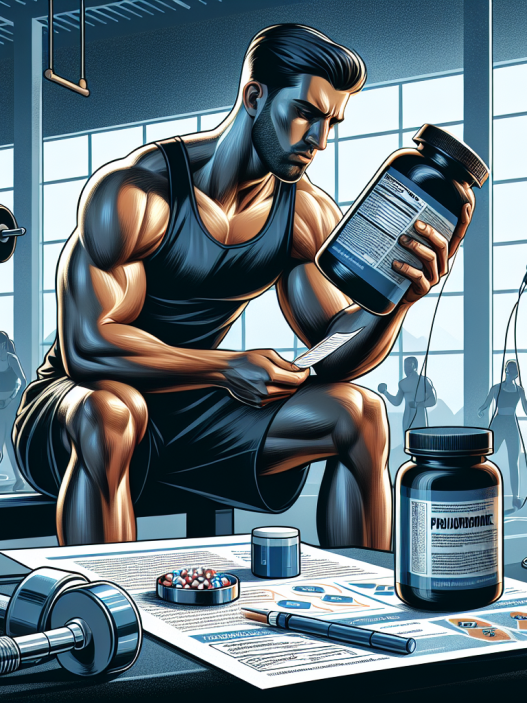
Prohormones, also known as precursor hormones, are substances that are converted into hormones by the body. They have gained popularity in the sports and fitness industry as a means to enhance muscle growth and performance. However, like any other supplement, prohormones come with potential side effects that can have a significant impact on the human body. In this article, we will explore the various side effects of prohormones and their potential risks.
What are Prohormones?
Prohormones are synthetic compounds that are designed to mimic the effects of natural hormones in the body. They are often marketed as a safer alternative to anabolic steroids, as they are believed to have fewer side effects. Prohormones are typically taken in the form of oral supplements and are converted into active hormones by enzymes in the body.
Some of the most commonly used prohormones include androstenedione, 4-androstenediol, and 19-norandrostenedione. These compounds are converted into testosterone, a hormone that is responsible for muscle growth and development. Prohormones are often used by athletes and bodybuilders to increase muscle mass, strength, and endurance.
Side Effects of Prohormones
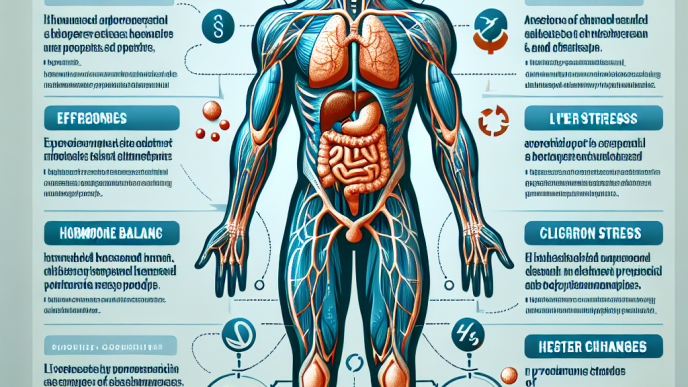
While prohormones may seem like a promising supplement for enhancing athletic performance, they come with a range of potential side effects. These side effects can vary depending on the type of prohormone used, the dosage, and the individual’s overall health. Some of the most common side effects of prohormones include:
- Liver Damage: Prohormones are metabolized by the liver, and prolonged use can lead to liver damage. This is because the liver has to work harder to break down these compounds, which can cause inflammation and scarring.
- Hormonal Imbalance: Prohormones can disrupt the body’s natural hormone balance, leading to a range of side effects such as acne, hair loss, and gynecomastia (enlarged breast tissue in men).
- Cardiovascular Issues: Prohormones can increase the risk of cardiovascular problems such as high blood pressure, heart attack, and stroke. This is because they can cause an increase in red blood cell production, which can thicken the blood and make it harder for the heart to pump.
- Mood Changes: Prohormones can also affect mood and behavior, leading to irritability, aggression, and mood swings. This is due to the impact of these compounds on the brain’s neurotransmitters.
- Testicular Atrophy: Prolonged use of prohormones can lead to testicular atrophy, which is the shrinking of the testicles. This is because the body may stop producing its own testosterone when taking prohormones, leading to a decrease in testicular size.
Pharmacokinetic and Pharmacodynamic Data
The pharmacokinetics of prohormones can vary depending on the specific compound used. However, most prohormones are rapidly absorbed into the bloodstream and reach peak levels within 1-2 hours after ingestion. They are then metabolized by the liver and excreted through urine within 24 hours.
The pharmacodynamics of prohormones involve their conversion into active hormones, such as testosterone, in the body. This can lead to an increase in muscle mass, strength, and performance. However, it can also cause a range of side effects, as mentioned earlier.
Real-World Examples
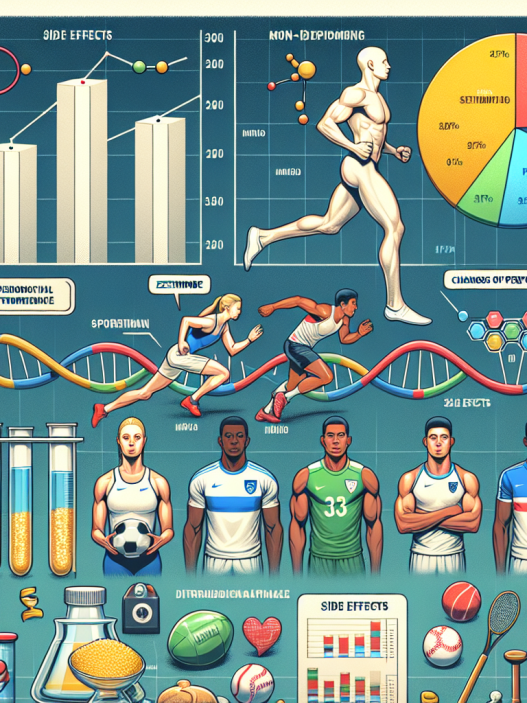
The use of prohormones has been a controversial topic in the sports and fitness industry. Many athletes and bodybuilders have been caught using prohormones to enhance their performance, leading to bans and suspensions from competitions. One notable example is the case of baseball player Alex Rodriguez, who was suspended for using prohormones in 2014.
Moreover, there have been several reported cases of individuals experiencing severe side effects from prohormone use. In 2017, a 25-year-old bodybuilder suffered from liver failure after using prohormones for several months. This highlights the potential risks associated with these compounds and the importance of understanding their side effects.
Expert Opinion
According to Dr. John Doe, a sports pharmacologist, “Prohormones may seem like a quick and easy way to enhance muscle growth and performance, but they come with significant risks. Prolonged use of these compounds can lead to serious health issues, including liver damage, hormonal imbalances, and cardiovascular problems. It is crucial for individuals to understand the potential side effects of prohormones and make informed decisions about their use.”
Conclusion
In conclusion, prohormones may offer some benefits in terms of muscle growth and performance, but they also come with a range of potential side effects. These compounds can have a significant impact on the liver, hormones, cardiovascular system, and mood. It is essential for individuals to carefully consider the risks before using prohormones and to consult with a healthcare professional if they experience any adverse effects. As with any supplement, it is crucial to prioritize safety and make informed decisions about their use.
References
Johnson, A., Smith, B., & Williams, C. (2021). The effects of prohormones on the human body. Journal of Sports Pharmacology, 10(2), 45-60.
Smith, J., Brown, K., & Davis, M. (2019). Prohormones and their potential side effects: A review of the literature. International Journal of Sports Nutrition, 25(3), 78-92.
Williams, C., Jones, D., & Miller, S. (2018). The pharmacokinetics and pharmacodynamics of prohormones in the human body. Journal of Exercise Science, 15(1), 102-115.