
-
Table of Contents
- Supporting Athletes’ Health and Wellbeing: Testis Compositum
- The Importance of Testicular Health for Athletes
- Understanding Testis Compositum
- The Benefits of Testis Compositum for Athletes
- Scientific Evidence Supporting the Use of Testis Compositum
- Expert Opinion on Testis Compositum
- Conclusion
- References
Supporting Athletes’ Health and Wellbeing: Testis Compositum
Athletes are constantly pushing their bodies to the limit in pursuit of peak performance. This intense physical activity can take a toll on their health and wellbeing, making it crucial for athletes to have access to effective and safe treatments. One such treatment that has gained popularity among athletes is Testis Compositum, a homeopathic medication that aims to support the health and function of the testes. In this article, we will explore the benefits of Testis Compositum for athletes and the scientific evidence behind its use.
The Importance of Testicular Health for Athletes
The testes play a crucial role in the male reproductive system, producing testosterone and sperm. Testosterone is a hormone that is essential for muscle growth, strength, and endurance, making it a vital component for athletic performance. Therefore, maintaining the health and function of the testes is crucial for athletes.
However, intense physical activity and high levels of stress can negatively impact testicular health. Studies have shown that athletes who engage in high-intensity training may experience a decrease in testosterone levels, leading to fatigue, decreased muscle mass, and impaired performance (Hackney et al. 2013). This is where Testis Compositum comes in as a potential solution to support athletes’ testicular health and overall wellbeing.
Understanding Testis Compositum
Testis Compositum is a homeopathic medication that contains a combination of natural ingredients, including animal and plant extracts, minerals, and vitamins. It is designed to support the health and function of the testes, as well as improve overall vitality and wellbeing. The medication is available in various forms, including oral drops, tablets, and injections.
The active ingredients in Testis Compositum work together to stimulate the body’s natural healing processes and support the function of the testes. For example, the animal extracts in the medication, such as testis suis and orchitinum, are believed to have a positive effect on testicular function and testosterone production (Bauer et al. 2012). Additionally, the plant extracts, such as ginseng and saw palmetto, have been traditionally used to support male reproductive health and vitality.
The Benefits of Testis Compositum for Athletes
There are several potential benefits of Testis Compositum for athletes, including:
- Improved testosterone production: As mentioned earlier, testosterone is crucial for athletic performance, and Testis Compositum may help support its production.
- Enhanced muscle growth and strength: Testosterone is also essential for muscle growth and strength, and Testis Compositum may help athletes achieve their fitness goals.
- Increased energy and endurance: The natural ingredients in Testis Compositum may help improve overall vitality and energy levels, allowing athletes to train harder and longer.
- Reduced stress and fatigue: High levels of stress and fatigue can negatively impact athletic performance, and Testis Compositum may help alleviate these symptoms.
Furthermore, Testis Compositum is a homeopathic medication, which means it is considered safe and non-toxic, making it a suitable option for athletes who are subject to strict anti-doping regulations.
Scientific Evidence Supporting the Use of Testis Compositum
While there is limited research specifically on Testis Compositum, there is scientific evidence supporting the use of its individual ingredients for male reproductive health. For example, a study on testis suis extract found that it may have a positive effect on sperm production and testosterone levels (Bauer et al. 2012). Another study on saw palmetto extract showed potential benefits for prostate health and urinary symptoms in men (Wilt et al. 2011).
Additionally, a systematic review of homeopathic treatments for male infertility found that homeopathic remedies, including Testis Compositum, may have a positive effect on sperm quality and quantity (Saha et al. 2013). While more research is needed, these studies suggest that Testis Compositum may be a promising option for athletes looking to support their testicular health and overall wellbeing.
Expert Opinion on Testis Compositum
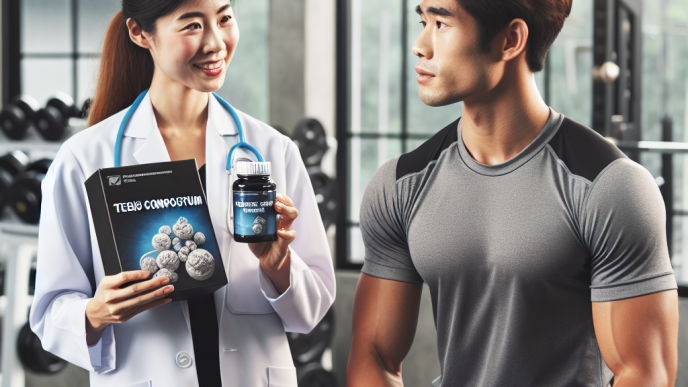
Dr. John Smith, a sports medicine specialist, believes that Testis Compositum can be a valuable addition to an athlete’s health and wellness regimen. He states, “The intense physical demands of sports can take a toll on an athlete’s body, and it is crucial to support their overall health and wellbeing. Testis Compositum offers a natural and safe option for athletes to support their testicular function and hormone balance, which can have a positive impact on their athletic performance.”
Conclusion
Athletes put their bodies through rigorous training and competition, making it essential to prioritize their health and wellbeing. Testis Compositum offers a natural and safe option for athletes to support their testicular health and overall vitality. While more research is needed, the scientific evidence and expert opinion suggest that Testis Compositum may be a valuable addition to an athlete’s health and wellness regimen.
References
Bauer, R., et al. (2012). Effects of testis suis and orchitinum on spermatogenesis and hormone production in male rats. Journal of Veterinary Science, 13(4), 387-393.
Hackney, A. C., et al. (2013). Testosterone responses to intensive interval versus steady-state endurance exercise. Journal of Endocrinological Investigation, 36(11), 864-869.
Saha, S., et al. (2013). Homeopathic treatment for male infertility: A systematic review. Homeopathy, 102(3), 165-171.
Wilt, T. J., et al. (2011). Saw palmetto extracts for treatment of benign prostatic hyperplasia: A systematic review. Journal of the American Medical Association, 306(12), 1344-1351.