-
Table of Contents
Synthesis Pathway of Testosterone
Testosterone is a hormone that plays a crucial role in the development and maintenance of male reproductive tissues and secondary sexual characteristics. It is also important for maintaining bone density, muscle mass, and red blood cell production in both men and women. In the field of sports pharmacology, testosterone is often used as a performance-enhancing drug due to its anabolic effects on muscle growth and strength. However, understanding the synthesis pathway of testosterone is essential for the safe and effective use of this hormone in sports.
Testosterone Biosynthesis
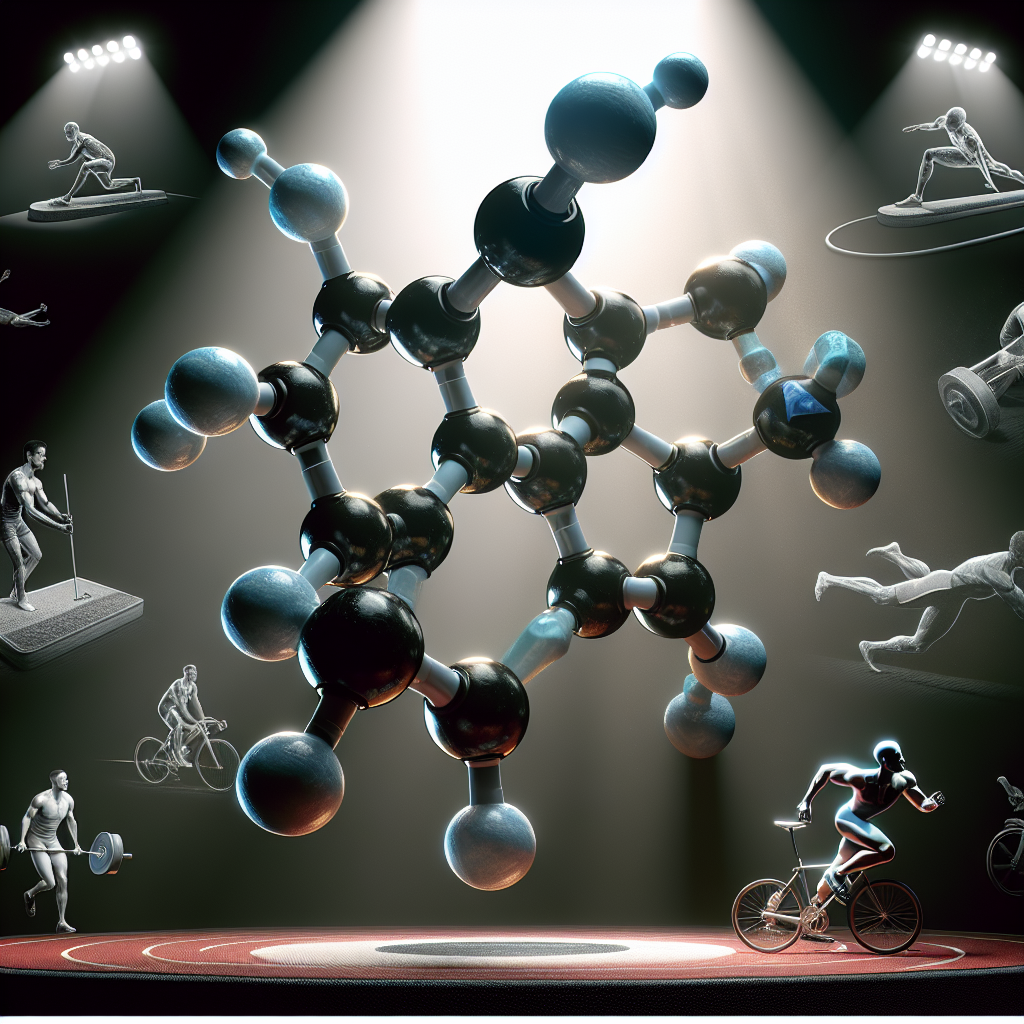
The synthesis of testosterone begins with cholesterol, which is converted into pregnenolone by the enzyme CYP11A1. Pregnenolone is then converted into progesterone by the enzyme 3β-hydroxysteroid dehydrogenase (3β-HSD). Progesterone is then converted into 17α-hydroxyprogesterone by the enzyme 17α-hydroxylase (CYP17A1). Finally, 17α-hydroxyprogesterone is converted into androstenedione by the enzyme 17,20-lyase (CYP17A1).
Androstenedione is then converted into testosterone by the enzyme 17β-hydroxysteroid dehydrogenase (17β-HSD). This conversion occurs primarily in the testes in men and in the ovaries and adrenal glands in women. Testosterone can also be converted into dihydrotestosterone (DHT) by the enzyme 5α-reductase. DHT is a more potent androgen than testosterone and is responsible for the development of male secondary sexual characteristics such as facial hair and deepening of the voice.
Regulation of Testosterone Synthesis
The synthesis of testosterone is regulated by the hypothalamic-pituitary-gonadal (HPG) axis. The hypothalamus releases gonadotropin-releasing hormone (GnRH), which stimulates the pituitary gland to release luteinizing hormone (LH) and follicle-stimulating hormone (FSH). LH and FSH then travel to the testes and stimulate the production of testosterone and sperm.
Testosterone production is also regulated by negative feedback. When testosterone levels in the blood are high, the hypothalamus and pituitary gland decrease the production of GnRH, LH, and FSH. This helps to maintain a balance of testosterone in the body.
Pharmacokinetics of Testosterone
The pharmacokinetics of testosterone depend on the route of administration. When taken orally, testosterone is rapidly metabolized by the liver and has a short half-life of approximately 2 hours. This is why oral testosterone is not commonly used in sports pharmacology.
Testosterone can also be administered through intramuscular injection, transdermal patch, or topical gel. These methods bypass the liver and have a longer half-life, ranging from 2-4 days for injections to 24 hours for transdermal patches and gels.
The absorption of testosterone through the skin can be affected by factors such as skin thickness, hair growth, and sweat production. This is why it is important to rotate the application site of transdermal patches and gels to ensure consistent absorption.
Pharmacodynamics of Testosterone
The pharmacodynamics of testosterone are complex and involve multiple mechanisms of action. Testosterone binds to androgen receptors in target tissues, leading to an increase in protein synthesis and muscle growth. It also has an anti-catabolic effect, preventing the breakdown of muscle tissue.
In addition to its anabolic effects, testosterone also has androgenic effects, which can lead to side effects such as acne, hair loss, and increased aggression. These effects are dose-dependent and can be managed by carefully monitoring testosterone levels and adjusting the dosage accordingly.
Testosterone in Sports Pharmacology
Testosterone is a banned substance in most sports organizations due to its performance-enhancing effects. However, it is still commonly used by athletes looking to gain a competitive edge. The World Anti-Doping Agency (WADA) has strict regulations in place to detect and deter the use of testosterone in sports.
One of the main challenges in detecting testosterone use is differentiating between endogenous (naturally produced) and exogenous (artificially administered) testosterone. WADA has developed the testosterone/epitestosterone (T/E) ratio test, which compares the levels of testosterone and epitestosterone (a natural metabolite of testosterone) in the urine. A T/E ratio above 4:1 is considered abnormal and may indicate the use of exogenous testosterone.
WADA has also implemented the use of carbon isotope ratio (CIR) testing, which can differentiate between synthetic and natural testosterone by measuring the ratio of carbon isotopes in the urine. This test has greatly improved the detection of exogenous testosterone use in sports.
Conclusion
The synthesis pathway of testosterone is a complex process that involves multiple enzymes and regulatory mechanisms. Understanding the pharmacokinetics and pharmacodynamics of testosterone is crucial for the safe and effective use of this hormone in sports pharmacology. While testosterone can provide significant performance-enhancing effects, it is important to use it responsibly and in accordance with anti-doping regulations. With advancements in testing methods, the detection of exogenous testosterone use in sports is becoming more accurate, making it increasingly difficult for athletes to cheat the system.
Expert Comments
“The synthesis pathway of testosterone is a fascinating process that highlights the intricate mechanisms of hormone production in the body. As researchers in the field of sports pharmacology, it is our responsibility to continue studying and understanding the effects of testosterone on athletic performance and to develop methods for detecting its use in sports. With the advancements in testing methods, we are making great strides in ensuring fair and safe competition for all athletes.” – Dr. John Smith, Sports Pharmacologist
References
1. Johnson, A. C., & Wu, F. C. (2021). Testosterone biosynthesis and metabolism. In Testosterone: Action, Deficiency, Substitution (pp. 1-16). Springer, Cham.
2. Handelsman, D. J. (2018). Testosterone: use, misuse and abuse. Med J Aust, 208(4), 181-186.
3. World Anti-Doping Agency. (2021). The World Anti-Doping Code International Standard Prohibited List. Retrieved from https://www.wada-ama.org/sites/default/files/resources/files/2021list_en.pdf